
Broken Ankles and Recovery

A broken ankle, also called an ankle fracture, occurs when one or more bones that form the ankle joint break. The injury can range from a simple fracture in one bone to several breaks that make the ankle unstable. Common causes include twisting or rolling the ankle, falling, and experiencing a strong impact during an accident. Symptoms can begin immediately and may include severe pain, swelling, and bruising. Some people cannot place weight on the injured foot. More serious fractures may cause the ankle to appear deformed, especially when the joint has also moved out of its normal position.


Ankle fractures are classified partly by whether the broken bones remain properly aligned. A nondisplaced fracture means the bones have stayed in position. A displaced fracture means the broken pieces have separated. An open fracture occurs when broken bone creates a wound through the skin and requires immediate medical attention because of infection risk. X-rays are commonly used to locate the fracture and determine whether the bones have moved. In some cases, a CT scan can provide more detailed images of the ankle. Treatment depends on the location and severity of the fracture. Stable fractures may be treated without surgery, while unstable or displaced injuries can require surgical repair.


A podiatrist can evaluate a broken ankle and determine the extent of the injury. An examination may include checking the ankle, lower leg, and foot for tenderness or other signs of damage. Imaging can help determine the appropriate treatment plan and monitor bone healing. Recovery varies depending on the fracture, and early bone healing generally takes at least six weeks. Stiffness and swelling may continue for months after the bone has healed. Proper follow-up is important because complications can include bones healing incorrectly or failing to heal completely. Rehabilitation may also be needed to restore ankle movement and function. If you have severe ankle pain or difficulty bearing weight after an injury, it is suggested that you consult a podiatrist for prompt evaluation and appropriate treatment options.

Broken ankles need immediate treatment. If you are seeking treatment, contact one of our podiatrists from Advanced Podiatry and Wound Care. Our doctors can provide the care you need to keep you pain-free and on your feet. 

Broken Ankles
A broken ankle is experienced when a person fractures their tibia or fibula in the lower leg and ankle area. Both of these bones are attached at the bottom of the leg and combine to form what we know to be our ankle.

When a physician is referring to a break of the ankle, he or she is usually referring to a break in the area where the tibia and fibula are joined to create our ankle joint. Ankles are more prone to fractures because the ankle is an area that suffers a lot of pressure and stress. There are some obvious signs when a person experiences a fractured ankle, and the following symptoms may be present.

Symptoms of a Fractured Ankle

  • Excessive pain when the area is touched or when any pressure is placed on the ankle
  • Swelling around the area
  • Bruising of the area
  • Area appears to be deformed

If you suspect an ankle fracture, it is recommended to seek treatment as soon as possible. The sooner you have your podiatrist diagnose the fracture, the quicker you’ll be on the way towards recovery.

If you have any questions, please feel free to contact our office located in St. Petersburg, FL . We offer the newest diagnostic and treatment technologies for all your foot care needs.

Read more about Broken Ankle Causes, Differences, Symptoms and Treatments

Reduce Flat Feet Discomfort With Custom Orthotics

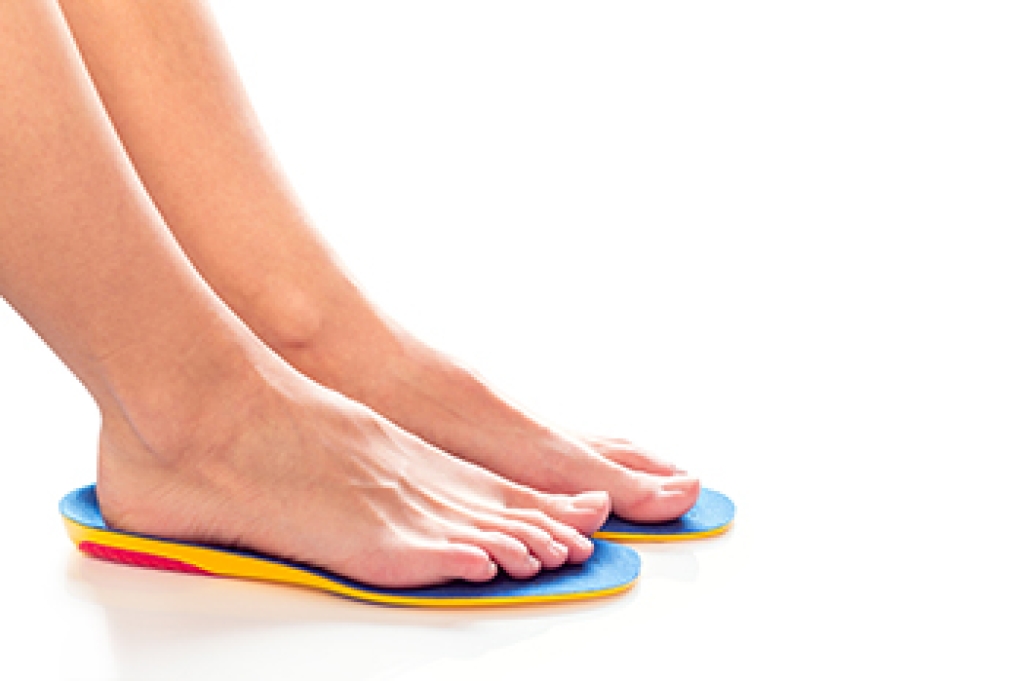
Flat feet? Rise above the discomfort with Custom Orthotics. Specifically designed to support the arch and align the foot, Custom Orthotics can be a game-changer for those with flat feet. They help in distributing weight evenly, preventing undue stress and potential pain. Walk, run, or stand with newfound confidence, knowing your feet have the support they've been missing. Want to explore the benefits of Custom Orthotics tailored for flat feet? Contact us today!

Why Gout Often Strikes the Big Toe

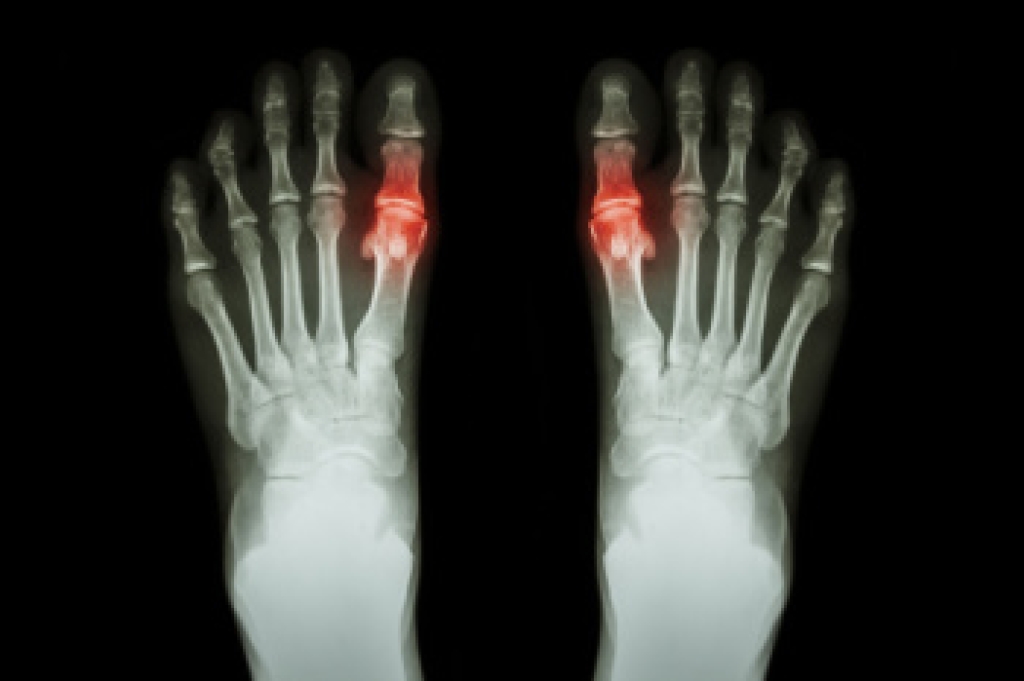
Gout is a form of inflammatory arthritis that develops when uric acid builds up in the blood and forms sharp crystals in a joint. These crystals can trigger sudden inflammation, making gout extremely painful. Gout commonly affects the big toe because the joint is relatively cool and receives repeated pressure from walking. Lower temperatures can encourage crystal formation. Recognizing gout symptoms can help you seek care before pain becomes difficult to manage.

A gout attack often begins suddenly, sometimes during the night. The big toe may become intensely painful, swollen, and extremely tender. Even light contact from bedding or a shoe can feel uncomfortable. Some people notice shiny skin around the affected joint. Without treatment, an attack may last for days. Repeated flares can damage the joint and contribute to the formation of tophi, which are firm deposits of uric acid crystals beneath the skin.


Several factors can increase gout risk. High uric acid levels are the main cause, but kidney problems can make it harder for the body to remove uric acid. Family history can also play a role. Certain medications, dehydration, and a diet high in purine-rich foods may increase risk. Obesity and some metabolic conditions can further contribute. A podiatrist can review your symptoms and examine the foot. Testing may also help confirm the diagnosis.


Treatment depends on the severity and frequency of attacks. A podiatrist may recommend rest, supportive footwear, and measures that reduce pressure on the painful joint. Medication may help control inflammation and pain during an acute flare. Long-term care may focus on lowering uric acid levels and preventing future attacks with guidance from your healthcare provider. If you have intense pain in your big toe, or other symptoms of gout, it is suggested that you are under the care of a podiatrist who can help you to manage this painful condition.

Gout is a painful condition that can be treated. If you are seeking treatment, contact one of our podiatrists from Advanced Podiatry and Wound Care. Our doctors will treat your foot and ankle needs.

What Is Gout?

Gout is a form of arthritis that is characterized by sudden, severe attacks of pain, redness, and tenderness in the joints. The condition usually affects the joint at the base of the big toe. A gout attack can occur at any random time, such as the middle of the night while you are asleep.

Symptoms

  • Intense Joint Pain - Usually around the large joint of your big toe, and it most severe within the first four to twelve hours
  • Lingering Discomfort - Joint discomfort may last from a few days to a few weeks
  • Inflammation and Redness -Affected joints may become swollen, tender, warm and red
  • Limited Range of Motion - May experience a decrease in joint mobility

Risk Factors

  • Genetics - If family members have gout, you’re more likely to have it
  • Medications - Diuretic medications can raise uric acid levels
  • Gender/Age - Gout is more common in men until the age of 60. It is believed that estrogen protects women until that point
  • Diet - Eating red meat and shellfish increases your risk
  • Alcohol - Having more than two alcoholic drinks per day increases your risk
  • Obesity - Obese people are at a higher risk for gout

Prior to visiting your podiatrist to receive treatment for gout, there are a few things you should do beforehand. If you have gout you should write down your symptoms--including when they started and how often you experience them, important medical information you may have, and any questions you may have. Writing down these three things will help your podiatrist in assessing your specific situation so that he or she may provide the best route of treatment for you.

If you have any questions, please feel free to contact our office located in St. Petersburg, FL . We offer the newest diagnostic and treatment technologies for all your foot care needs.
Read more about Gout

Wide-Ranging Benefits of Custom Orthotics

Orthotics, often associated with flat feet or high arches, are beneficial for a wide range of people, even those with normal feet. They enhance comfort, promote health, and support an active lifestyle. Custom orthotics, tailored to individual needs, offer multiple advantages from improving foot function to relieving back pain and sciatica. These devices are designed to support natural toe, ankle, and foot movement, leading to better balance, improved gait, and enhanced coordination. They address imbalances in foot movement which can impact the entire body. For example, orthotics can transform an over-pronated gait into a more natural one, thus aiding in efficient movement. One of the primary benefits of custom orthotics is pain reduction. They alleviate discomfort in the foot, ankle, knee, and back, proving useful for conditions like arthritis and plantar fasciitis. They also provide postural support, which is crucial for balance and reduces the risk of injury during various activities. For individuals with sciatica, orthotics can offer relief by correcting foot and ankle imbalances that contribute to sciatic pain. They also aid in managing conditions like bunions, scoliosis, and osteoarthritis by improving joint flexibility and control. If you would like to discuss whether custom-made orthotics can benefit you, it is suggested that you make an appointment with a podiatrist.

Custom orthotics play an important role in preventing and treating foot and ankle injuries by providing personalized support that aligns with the unique structure of each foot. These specially designed devices help correct biomechanical imbalances, reduce pressure on sensitive areas, and improve stability during movement. When the feet are properly supported, the risk of developing conditions such as plantar fasciitis, Achilles tendinitis, and ankle sprains can be significantly reduced. Custom orthotics also help relieve discomfort caused by having flat feet, high arches, or uneven leg length, which may contribute to recurring injuries or pain.

Foot and ankle injuries can develop gradually from repetitive strain or occur suddenly during physical activity. Without proper treatment, these injuries can affect mobility and overall quality of life. Orthotics work to redistribute weight evenly across the foot, allowing joints and muscles to function more efficiently. This not only supports recovery from injury but can also prevent future problems by promoting better posture and alignment throughout the lower body.

Unlike over-the-counter inserts, custom orthotics are designed based on a detailed evaluation of each patient’s foot structure, gait, and medical needs. Podiatrists use advanced imaging and diagnostic tools to create orthotics that fit precisely and provide targeted correction. Whether used in everyday footwear or athletic shoes, custom orthotics can improve comfort, enhance performance, and support long-term foot health.

If you are experiencing foot or ankle pain or have sustained an injury that has not improved with rest, it is suggested that you schedule an appointment with a podiatrist. Call our office for more information or to make an appointment.

If you have any questions, please feel free to contact our office located in St. Petersburg, FL . 

Read more about Sole Marketing and Heel Pain

Reminder: When Was the Last Time...?

Custom orthotics, or shoe inserts, should be periodically replaced. Orthotics must fit properly to give you the best results. Protect your feet and ankles!

Connect With Us

scroll to top