When Foot Surgery May Be Necessary and What to Expect

Foot surgery may be recommended when conservative treatments fail to relieve pain or restore function. Many conditions, such as bunions, hammertoes, plantar fasciitis, arthritis, or tendon injuries, are first treated with rest, orthotics, medications, or targeted exercises. When these measures do not provide adequate relief, surgical intervention may help correct deformities, reduce pain, and improve mobility. Procedures vary depending on the condition, and may involve realigning bones, repairing soft tissue, or fusing joints. While surgery can be effective, it is not without risks. Possible complications include infection, nerve irritation, prolonged swelling, stiffness, or delayed healing. Recovery time can also vary and may require limited weight-bearing and rehabilitation. Careful evaluation and discussion of options are important before proceeding. If you are experiencing persistent foot pain despite treatment, it is suggested that you see a podiatrist for an evaluation and guidance.

Foot surgery is sometimes necessary to treat a foot ailment. To learn more, contact one of our podiatrists of Advanced Podiatry and Wound Care. Our doctors will assist you with all of your foot and ankle needs.

When Is Surgery Necessary?

Foot and ankle surgery is generally reserved for cases in which less invasive, conservative procedures have failed to alleviate the problem. Some of the cases in which surgery may be necessary include:

  • Removing foot deformities like bunions and bone spurs
  • Severe arthritis that has caused bone issues
  • Cosmetic reconstruction

What Types of Surgery Are There?

The type of surgery you receive will depend on the nature of the problem you have. Some of the possible surgeries include:

  • Bunionectomy for painful bunions
  • Surgical fusion for realignment of bones
  • Neuropathy decompression surgery to treat nerve damage

Benefits of Surgery

Although surgery is usually a last resort, it can provide more complete pain relief compared to non-surgical methods and may allow you to finally resume full activity.

Surgical techniques have also become increasingly sophisticated. Techniques like endoscopic surgery allow for smaller incisions and faster recovery times.

If you have any questions, please feel free to contact our office located in St. Petersburg, FL . We offer the newest diagnostic and treatment technologies for all your foot care needs.

Read more about Foot Surgery

Plantar Wart Removal and What to Expect

Plantar warts are growths on the bottom of the foot caused by a virus that enters through small breaks in the skin. They can feel like stepping on a pebble and may become painful with pressure. Treatment depends on size, number, and how long they have been present. Over-the-counter options may help in early cases, but stubborn warts often need professional care. A podiatrist may use methods such as freezing, topical medications that break down the tissue, or gentle removal of thickened skin to reduce discomfort and improve treatment success. Sometimes more than one visit is needed, as these growths can be persistent. Keeping the area clean, dry, and protected can also support healing. If you notice a painful spot on the bottom of your foot that does not go away, it is suggested that you see a podiatrist for a proper diagnosis and appropriate care.

Plantar warts can be very uncomfortable. If you need your feet checked, contact one of our podiatrists from Advanced Podiatry and Wound Care. Our doctors will assist you with all of your foot and ankle needs.

About Plantar Warts

Plantar warts are the result of HPV, or human papillomavirus, getting into open wounds on the feet. They are mostly found on the heels or balls of the feet.

While plantar warts are generally harmless, those experiencing excessive pain or those suffering from diabetes or a compromised immune system require immediate medical care. Plantar warts are easily diagnosed, usually through scraping off a bit of rough skin or by getting a biopsy.

Symptoms

  • Lesions on the bottom of your feet, usually rough and grainy
  • Hard or thick callused spots
  • Wart seeds, which are small clotted blood vessels that look like little black spots
  • Pain, discomfort, or tenderness of your feet when walking or standing

Treatment

  • Freezing
  • Electric tool removal
  • Laser Treatment
  • Topical Creams (prescription only)
  • Over-the-counter medications

To help prevent developing plantar warts, avoid walking barefoot over abrasive surfaces that can cause cuts or wounds for HPV to get into. Avoiding direct contact with other warts, as well as not picking or rubbing existing warts, can help prevent the further spread of plantar warts. However, if you think you have developed plantar warts, speak to your podiatrist. He or she can diagnose the warts on your feet and recommend the appropriate treatment options.

If you have any questions, please feel free to contact our office located in St. Petersburg, FL . We offer the newest diagnostic and treatment technologies for all your foot care needs.
Read more about What Are Plantar Warts?

Custom Orthotics For Outdoor Activity

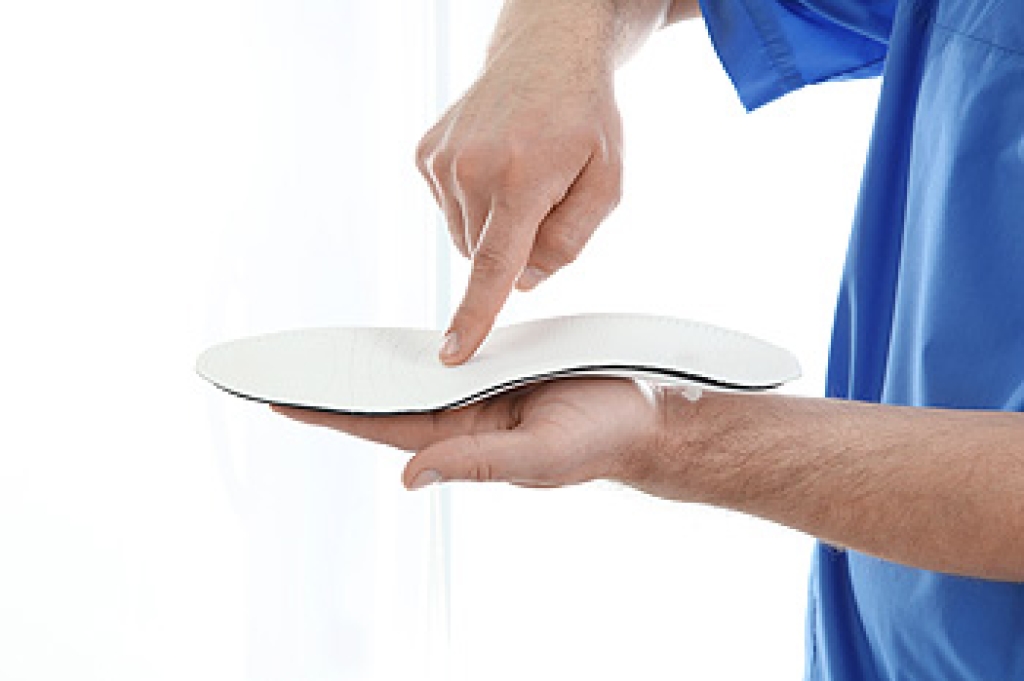
Embrace the great outdoors with confidence and comfort! Whether you're hiking, jogging, or exploring nature, Custom Orthotics are your perfect companion. Tailored to your foot's unique needs, they provide stability on uneven terrains and cushioning for those longer adventures. Don't let foot discomfort limit your outdoor experiences. With Custom Orthotics, every step is supported and secure. Call today to schedule an appointment.

Fungal Toenail Infections

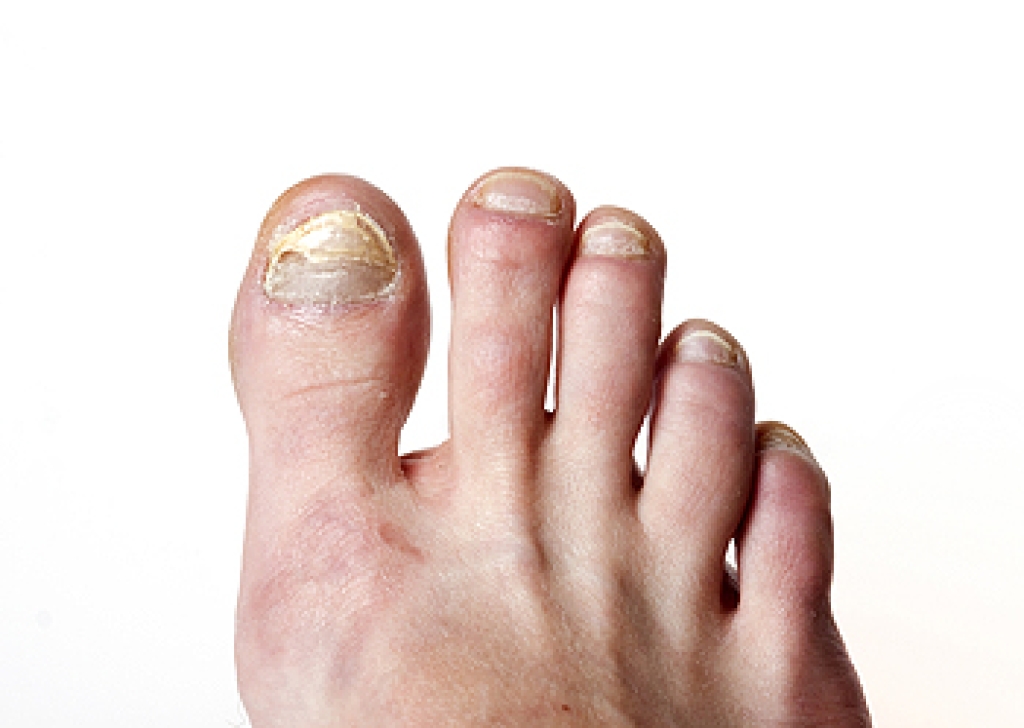
Fungal infections can cause the toenails to become thickened, discolored, and brittle over time. The toenail may appear yellow, white, or even darkened, and its surface can look uneven or crumbly. Some patients notice a buildup of debris beneath the nail or a separation from the nail bed. While the condition is often painless at first, it can lead to discomfort as the toenail thickens or presses against footwear. Fungal nails develop when fungi thrive in warm, moist environments, such as sweaty feet. Minor toenail injuries or a weakened immune system are other factors. A podiatrist can confirm the diagnosis through examination and testing if needed. Treatment includes topical or oral antifungal medication, as well as professional toenail care to reduce thickness and improve appearance. Addressing the infection early can help prevent its spread to other nails. If you are dealing with fungal toenails, it is suggested that you make an appointment with a podiatrist.

For more information about treatment, contact one of our podiatrists of Advanced Podiatry and Wound Care. Our doctors can provide the care you need to keep you pain-free and on your feet.

Toenail Fungus Treatment

Toenail fungus is a condition that affects many people and can be especially hard to get rid of. Fortunately, there are several methods to go about treating and avoiding it.

Antifungals & Deterrence

Oral antifungal medicine has been shown to be effective in many cases. It is important to consult with a podiatrist to determine the proper regiment for you, or potentially explore other options.

Applying foot powder on the feet and shoes helps keep the feet free of moisture and sweat.

Sandals or open toed shoes – Wearing these will allow air movement and help keep feet dry. They also expose your feet to light, which fungus cannot tolerate. Socks with moisture wicking material also help as well.

If you have any questions please contact our office located in St. Petersburg, FL . We offer the newest diagnostic and treatment technologies for all your foot and ankle needs.

Read more about Treating Toenail Fungus

Managing Symptoms of Plantar Fasciitis With Orthotics

Plantar fasciitis happens when the band of tissue under the foot, called the plantar fascia, gets strained from too much walking, running, or standing on hard surfaces. This strain can come from flat feet, high arches, tight calf muscles, or poor foot alignment. Symptoms include sharp heel pain with the first steps in the morning, aching along the bottom of the foot, and pain that returns after long periods on the feet. This pain can make daily tasks and activities harder and limit comfort during work or play. Orthotics can help by supporting the arch, guiding the foot to move in a healthier way, and spreading pressure more evenly across the sole. This support may reduce stress on the plantar fascia, lower strain on muscles and joints, and improve comfort when walking or standing. If you are experiencing any of the described symptoms, it is suggested that you schedule an appointment with a podiatrist to learn if orthotics will benefit you. 

Custom orthotics play an important role in preventing and treating foot and ankle injuries by providing personalized support that aligns with the unique structure of each foot. These specially designed devices help correct biomechanical imbalances, reduce pressure on sensitive areas, and improve stability during movement. When the feet are properly supported, the risk of developing conditions such as plantar fasciitis, Achilles tendinitis, and ankle sprains can be significantly reduced. Custom orthotics also help relieve discomfort caused by having flat feet, high arches, or uneven leg length, which may contribute to recurring injuries or pain.

Foot and ankle injuries can develop gradually from repetitive strain or occur suddenly during physical activity. Without proper treatment, these injuries can affect mobility and overall quality of life. Orthotics work to redistribute weight evenly across the foot, allowing joints and muscles to function more efficiently. This not only supports recovery from injury but can also prevent future problems by promoting better posture and alignment throughout the lower body.

Unlike over-the-counter inserts, custom orthotics are designed based on a detailed evaluation of each patient’s foot structure, gait, and medical needs. Podiatrists use advanced imaging and diagnostic tools to create orthotics that fit precisely and provide targeted correction. Whether used in everyday footwear or athletic shoes, custom orthotics can improve comfort, enhance performance, and support long-term foot health.

If you are experiencing foot or ankle pain or have sustained an injury that has not improved with rest, it is suggested that you schedule an appointment with a podiatrist. Call our office for more information or to make an appointment.

If you have any questions, please feel free to contact our office located in St. Petersburg, FL

Read more about Sole Marketing Foot Discomfort

Connect With Us

scroll to top