Recognizing Athlete’s Foot Early

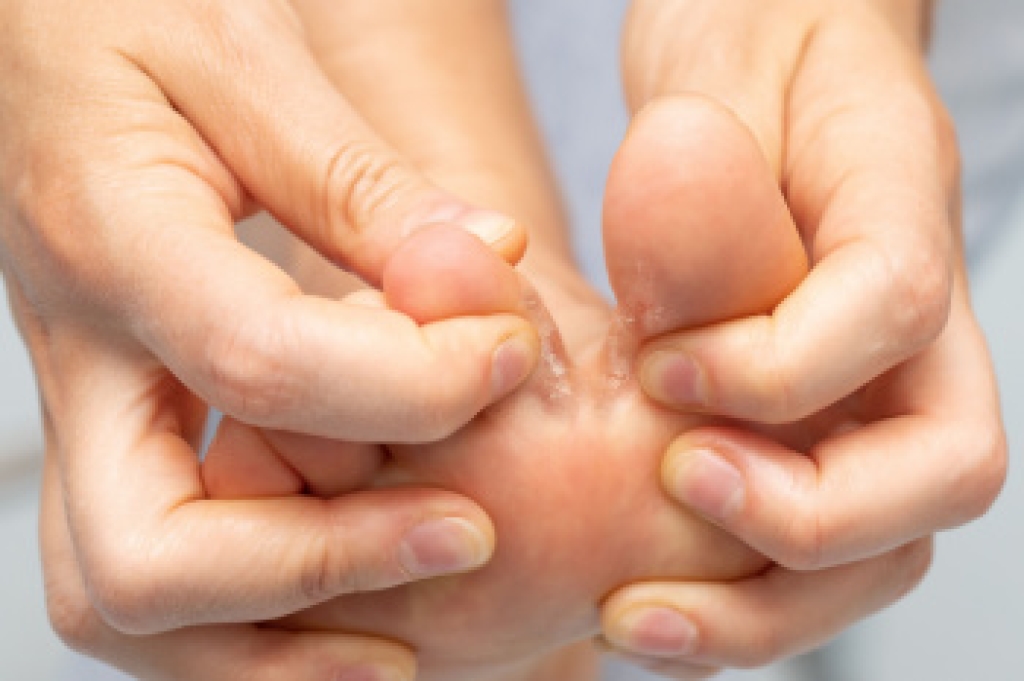
Athlete's foot is a fungal infection that primarily affects the outer layer of the skin on the feet. It develops when fungi grow in damp environments, making the feet an ideal location, especially when enclosed in shoes for long periods. This condition is not limited to athletes, despite its name, and can affect anyone who comes into contact with contaminated surfaces. Early awareness of symptoms and causes can help individuals take prompt action and reduce the risk of complications or spreading the infection.

The symptoms of athlete's foot can vary in severity, but most cases begin with an itchy rash that may feel worse after removing shoes and socks. The skin may appear red, scaly, or dry, particularly between the toes. As the infection progresses, cracks may form, sometimes leading to soreness and discomfort while walking. In certain cases, small sores or blisters develop, which may break open and increase the risk of secondary infection. A burning sensation or stinging feeling may also occur, making the condition difficult to ignore.


Risk factors for athlete's foot are closely linked to lifestyle and environmental exposure. Individuals who frequently use communal showers or locker rooms are at higher risk due to increased exposure to fungi. Wearing damp socks or shoes for extended periods contributes to the growth of microorganisms. People with a weakened immune system or chronic condition may be more susceptible. In addition, failing to properly clean and dry the feet after bathing can create the perfect conditions for infection to thrive and spread.


Treatment focuses on eliminating the fungal infection and restoring healthy skin. Antifungal creams and powders are commonly used and are effective when applied consistently as directed. In cases where the infection does not improve, a podiatrist may recommend stronger prescription medication. Maintaining proper foot hygiene, allowing shoes to air out, and avoiding barefoot exposure in public areas can help prevent recurrence. If symptoms such as persistent itching, cracked skin, or spreading rash develop, it is strongly suggested that you consult a podiatrist for effective treatment solutions, which often includes prescribed medication. 

Athlete’s foot is an inconvenient condition that can be easily reduced with the proper treatment. If you have any concerns about your feet and ankles, contact one of our podiatrists from Advanced Podiatry and Wound Care.  Our doctors will treat your foot and ankle needs.

Athlete’s Foot: The Sole Story

Athlete's foot, also known as tinea pedis, can be an extremely contagious foot infection. It is commonly contracted in public changing areas and bathrooms, dormitory style living quarters, around locker rooms and public swimming pools, or anywhere your feet often come into contact with other people.

Solutions to Combat Athlete’s Foot

  • Hydrate your feet by using lotion
  • Exfoliate
  • Buff off nails
  • Use of anti-fungal products
  • Examine your feet and visit your doctor if any suspicious blisters or cuts develop

Athlete’s foot can cause many irritating symptoms such as dry and flaking skin, itching, and redness. Some more severe symptoms can include bleeding and cracked skin, intense itching and burning, and even pain when walking. In the worst cases, Athlete’s foot can cause blistering as well. Speak to your podiatrist for a better understanding of the different causes of Athlete’s foot, as well as help in determining which treatment options are best for you.

If you have any questions please feel free to contact our office located in St. Petersburg, FL . We offer the newest diagnostic and treatment technologies for all your foot and ankle needs.

Read more about Athlete's Foot

Hidden Causes of Toe Pain in Teen Athletes

Teen athletes place repeated strain on their feet through running, jumping, pivoting, and high-impact training. While stress injuries are often associated with larger foot bones, smaller toe bones can also develop tiny cracks from overuse. Pain in the second toe, especially near its base, may be mistaken for a sprain, jammed toe, or simple soreness, which can delay proper diagnosis. Symptoms may include swelling, tenderness, pain with movement, or discomfort that worsens during sports activity. Because these injuries are less commonly suspected, they may be overlooked without a careful examination and appropriate imaging. Early diagnosis is important to prevent worsening injury and allow proper healing before returning to activity. Young athletes with persistent toe pain should not assume the issue is minor, especially when symptoms continue despite rest. If your teen has consistent foot or toe pain related to sports, it is suggested that you visit a podiatrist for evaluation.

Toe pain can disrupt your daily activities. If you have any concerns, contact one of our podiatrists of Advanced Podiatry and Wound Care. Our doctors can provide the care you need to keep you pain-free and on your feet.

What Causes Toe Pain?

Most severe toe pain is caused due to a sports injury, trauma from dropping something heavy on the toe, or bumping into something rigid. Other problems can develop over time for various reasons.

Toe pain can be caused by one or more ailments. The most common include:

  • Trauma
  • Sports injury
  • Wearing shoes that are too tight
  • Arthritis
  • Gout
  • Corns and calluses
  • Hammertoe
  • Bunions
  • Blisters
  • Ingrown toenails
  • Sprains
  • Fractures (broken bones)
  • Dislocations

When to See a Podiatrist

  • Severe pain
  • Persistent pain that lasts more than a week
  • Signs of infection
  • Continued swelling
  • Pain that prevents walking

Diagnosis

In many cases the cause of toe pain is obvious, but in others, a podiatrist may want to use more advanced methods to determine the problem. These can range from simple visual inspections and sensation tests to X-rays and MRI scans. Prior medical history, family medical history, and any recent physical traumatic events will all be taken into consideration for a proper diagnosis.

Treatment

Treatments for toe pain and injuries vary and may include shoe inserts, padding, taping, medicines, injections, and in some cases, surgery. If you believe that you have broken a toe, please see a podiatrist as soon as possible.

If you have any questions please contact our office located in St. Petersburg, FL . We offer the newest diagnostic and treatment technologies for all your foot and ankle needs.

Read more about Toe Pain

Custom Orthotics For Seniors

Age gracefully and move freely with Custom Orthotics. For seniors seeking to maintain their independence, Custom Orthotics offer the stability and comfort essential for daily activities. Custom-tailored to your feet, they provide support, reduce pain, and enhance mobility, ensuring you're always on sure footing. Don't let age-related foot concerns hold you back. With Custom Orthotics, embrace every golden moment with confidence. Call today to schedule an appointment.

Understanding Neuropathic Wounds

Neuropathic wounds are slow-healing injuries that often develop when nerve damage reduces feeling in the feet, making it easier to miss cuts, pressure spots, or irritation. People with diabetes are especially at risk because reduced sensation can allow small problems to worsen without notice. These wounds are among the more common long-lasting skin injuries treated by podiatrists, alongside circulation-related sores, pressure-related skin breakdown, and delayed healing after procedures. Neuropathic wounds often appear on pressure-bearing areas such as the bottom of the foot or toes. Treatment focuses on reducing pressure, removing damaged tissue when needed, controlling infection, and supporting healthy healing conditions. A podiatrist may also assess circulation, foot structure, and walking patterns that contribute to repeated injury. If you notice a sore on your foot that is not improving or you have numbness with skin breakdown, it is strongly suggested that you are under the care of a podiatrist to explore effective relief and management solutions. 

Wound care is an important part in dealing with diabetes. If you have diabetes and a foot wound or would like more information about wound care for diabetics, consult with one of our podiatrists from Advanced Podiatry and Wound Care. Our doctors will assess your condition and provide you with quality foot and ankle treatment.

What Is Wound Care?

Wound care is the practice of taking proper care of a wound. This can range from the smallest to the largest of wounds. While everyone can benefit from proper wound care, it is much more important for diabetics. Diabetics often suffer from poor blood circulation which causes wounds to heal much slower than they would in a non-diabetic. 

What Is the Importance of Wound Care?

While it may not seem apparent with small ulcers on the foot, for diabetics, any size ulcer can become infected. Diabetics often also suffer from neuropathy, or nerve loss. This means they might not even feel when they have an ulcer on their foot. If the wound becomes severely infected, amputation may be necessary. Therefore, it is of the upmost importance to properly care for any and all foot wounds.

How to Care for Wounds

The best way to care for foot wounds is to prevent them. For diabetics, this means daily inspections of the feet for any signs of abnormalities or ulcers. It is also recommended to see a podiatrist several times a year for a foot inspection. If you do have an ulcer, run the wound under water to clear dirt from the wound; then apply antibiotic ointment to the wound and cover with a bandage. Bandages should be changed daily and keeping pressure off the wound is smart. It is advised to see a podiatrist, who can keep an eye on it.

If you have any questions please contact our office located in St. Petersburg, FL . We offer the newest diagnostic and treatment technologies for all your foot and ankle needs.
Read more about Wound Care

Prescription Insoles

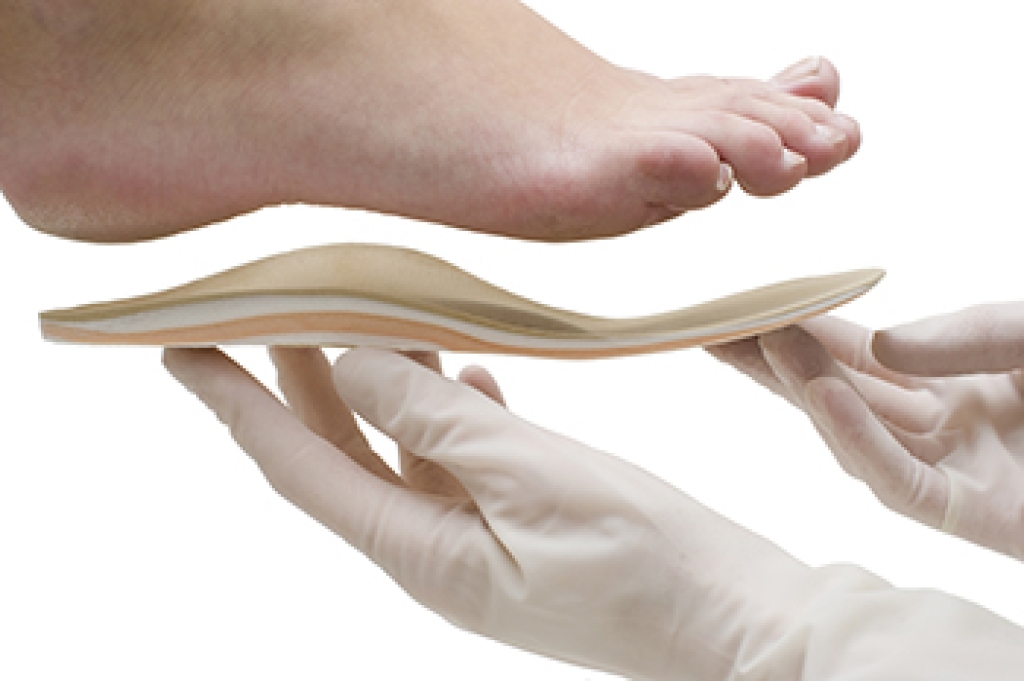
Prescription insoles and custom foot orthotics are one and the same. They are orthotics tailored to correct biomechanical issues that cause discomfort or pain in your lower extremities. Unlike generic insoles, they are precisely engineered based on an individual's foot structure and medical needs. They offer solutions for conditions like high arches, pronation, supination, bunions, and plantar fasciitis. A rigorous biomechanical assessment, often enhanced by gait analysis, informs the prescription. These orthotics influence how pressure from the ground interacts with your foot during movement, enabling better alignment of ligaments and tendons around the ankle. Custom orthotics can serve various functions, from pain relief and pressure redistribution to improving overall foot and lower limb biomechanics. Custom orthotics can be designed for various activities and types of footwear. Though they may require refurbishment, they are generally long-lasting and can be a life-altering investment for those in need. If you are interested in learning whether custom orthotics are right for you, it is suggested that you make an appointment with a podiatrist for a consultation and discussion.

Custom orthotics can make a remarkable difference in daily comfort and mobility by supporting the feet in their most natural and balanced position. Because the feet form the foundation for the entire body, any imbalance can affect not only how a person walks, but also how the knees, hips, and spine align. Over time, this can lead to fatigue, pain, or reduced movement. Custom orthotics are designed to restore stability and promote proper alignment, which can transform the way a person feels and functions throughout the day.

People who wear custom orthotics often experience improved posture, less joint strain, and greater endurance during work, exercise, and leisure activities. The support they provide helps relieve chronic discomfort from conditions such as plantar fasciitis, flat feet, and heel pain, while also reducing the risk of future injuries. For those who stand for long hours or engage in sports, orthotics can make movement smoother and more efficient, allowing the body to perform at its best without unnecessary stress.

Each pair of custom orthotics is created after a detailed evaluation of foot structure, gait, and pressure distribution. By addressing each person’s unique needs, they offer comfort and confidence with every step.

If you are experiencing ongoing foot discomfort or fatigue, it is suggested that you contact our office for more information or to make an appointment.

If you have any questions, please feel free to contact our office located in St. Petersburg, FL

Read more about Investing in Custom Orthotics Means Investing in Foot Health

Connect With Us

scroll to top