Cuboid Syndrome in Athletes and Active Individuals

Cuboid syndrome is a foot condition that involves disruption or misalignment of the cuboid bone, which is located on the outer side of the foot. This condition often develops after repetitive stress or a sudden injury that affects the midfoot region. It is commonly seen in athletes who perform activities that involve jumping, cutting, or rapid changes in direction. Causes may include ankle sprains, poor biomechanics, or wearing improper footwear that does not provide adequate support.


Symptoms of cuboid syndrome typically include pain along the outside of the foot that may worsen with activity. Affected individuals often report tenderness, difficulty bearing weight, and a feeling of instability when walking or running. Swelling may be present, and some athletes describe discomfort during push off movements. The pain may be mistaken for other conditions ,such as a stress fracture, which makes accurate diagnosis important for proper treatment.


Risk factors include high-impact sports, repetitive motion, and previous ankle injuries. Athletes with flat feet or unstable foot mechanics may place additional strain on the cuboid bone. Improper training techniques, sudden increases in activity level, and lack of supportive footwear can further increase risk. These factors contribute to abnormal stress on the midfoot and may lead to persistent symptoms if not addressed.


Treatment focuses on restoring proper alignment and reducing stress on the affected area. Rest, wearing supportive footwear, and targeted exercises may help improve function and relieve pain. Early recognition of symptoms can prevent long-term complications and allow for a quicker return to activity. If you are an athlete or lead an active lifestyle and have signs of cuboid syndrome, it is suggested that you consult a podiatrist for an accurate diagnosis and  effective relief and treatment solutions.

Cuboid syndrome, also known as cuboid subluxation, occurs when the joints and ligaments near the cuboid bone in the foot become torn. If you have cuboid syndrome, consult with one of our podiatrists from Advanced Podiatry and Wound Care. Our doctors will assess your condition and provide you with quality foot and ankle treatment.

Cuboid syndrome is a common cause of lateral foot pain, which is pain on the outside of the foot. The condition may happen suddenly due to an ankle sprain, or it may develop slowly overtime from repetitive tension through the bone and surrounding structures.

Causes

The most common causes of cuboid syndrome include:

  • Injury – The most common cause of this ailment is an ankle sprain.
  • Repetitive Strain – Tension placed through the peroneus longus muscle from repetitive activities such as jumping and running may cause excessive traction on the bone causing it to sublux.
  • Altered Foot Biomechanics – Most people suffering from cuboid subluxation have flat feet.

Symptoms

A common symptom of cuboid syndrome is pain along the outside of the foot which can be felt in the ankle and toes. This pain may create walking difficulties and may cause those with the condition to walk with a limp.

Diagnosis

Diagnosis of cuboid syndrome is often difficult, and it is often misdiagnosed. X-rays, MRIs and CT scans often fail to properly show the cuboid subluxation. Although there isn’t a specific test used to diagnose cuboid syndrome, your podiatrist will usually check if pain is felt while pressing firmly on the cuboid bone of your foot.

Treatment

Just as the range of causes varies widely, so do treatments. Some more common treatments are ice therapy, rest, exercise, taping, and orthotics.

If you have any questions, please feel free to contact our office located in St. Petersburg, FL . We offer the newest diagnostic and treatment technologies for all your foot care needs.
Read more about Cuboid Syndrome

What Causes Poor Foot Circulation

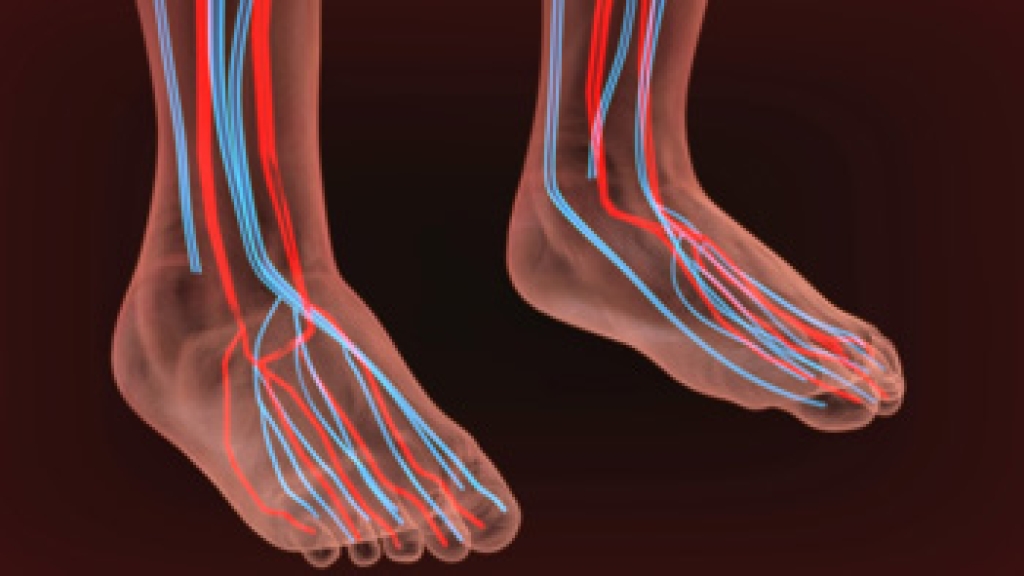
Poor foot circulation occurs when blood flow to the feet is reduced, limiting the delivery of oxygen and essential nutrients to surrounding tissues. This condition is commonly linked to peripheral vascular disease, a disorder that affects the blood vessels and restricts normal circulation. When blood flow is impaired, the feet may not function optimally and become more susceptible to injury, infection, and delayed healing. Recognizing early warning signs is crucial for maintaining long-term foot health and preventing serious complications.

Common symptoms of poor circulation include persistent coldness in the feet, numbness, and a tingling or “pins and needles” sensation. Some individuals may also experience intermittent pain or cramping, particularly during walking or physical activity. Reduced oxygen supply to the muscles can lead to fatigue, making movement more difficult over time. In addition, the skin on the feet may appear pale, bluish, or discolored, and even minor wounds may take longer than usual to heal. Without proper attention, these symptoms can gradually worsen and impact daily activities.

Several causes and risk factors contribute to poor foot circulation. Peripheral vascular disease is a leading cause and is often associated with narrowed or blocked arteries. Diabetes can further complicate circulation by damaging both blood vessels and nerves. Infections may also impair blood flow due to inflammation in affected tissues. Other contributing factors include smoking, high blood pressure, high cholesterol, and a sedentary lifestyle. Identifying and addressing these risks is essential for effective prevention and management.

Maintaining healthy circulation is vital for mobility, comfort, and overall foot function. Early intervention, combined with lifestyle changes and proper medical care, can significantly improve blood flow and tissue health. If you have symptoms of poor foot circulation, it is suggested that you consult a podiatrist to explore effective relief and management solutions.

Poor circulation is a serious condition and needs immediate medical attention. If you have any concerns with poor circulation in your feet contact one of our podiatrists of Advanced Podiatry and Wound Care. Our doctors will treat your foot and ankle needs.

Poor Circulation in the Feet

Poor blood circulation in the feet and legs is can be caused by peripheral artery disease (PAD), which is the result of a buildup of plaque in the arteries.

Plaque buildup or atherosclerosis results from excess calcium and cholesterol in the bloodstream. This can restrict the amount of blood which can flow through the arteries. Poor blood circulation in the feet and legs are sometimes caused by inflammation in the blood vessels, known as vasculitis.

Causes

Lack of oxygen and oxygen from poor blood circulation restricts muscle growth and development. It can also cause:

  • Muscle pain, stiffness, or weakness 
  • Numbness or cramping in the legs
  • Skin discoloration
  • Slower nail & hair growth
  • Erectile dysfunction

Those who have diabetes or smoke are at greatest risk for poor circulation, as are those who are over 50. If you have poor circulation in the feet and legs it may be caused by PAD and is important to make changes to your lifestyle in order to reduce risk of getting a heart attack or stroke. Exercise and maintaining a healthy lifestyle will dramatically improve conditions.

As always, see a podiatrist as he or she will assist in finding a regimen that suits you. A podiatrist can also prescribe you any needed medication. 

If you have any questions, please feel free to contact our office located in St. Petersburg, FL . We offer the newest diagnostic and treatment technologies for all your foot care needs.
Read more about Causes, Symptoms, and Treatment of Poor Blood Circulation in the Feet

Prevent Injury and Fatigue With Custom Orthotics

Custom Orthotics aren't just about comfort; they're your shield against injury and fatigue. By aligning your feet just right, they reduce strain on muscles and joints, ensuring you stay active longer without the usual wear and tear. Whether you're an athlete pushing limits or someone seeking day-to-day ease, Custom Orthotics offer the support you need. Don't let fatigue set the pace; with Custom Orthotics, you're always one step ahead. Call today for more information.

Gout and Foot Pain

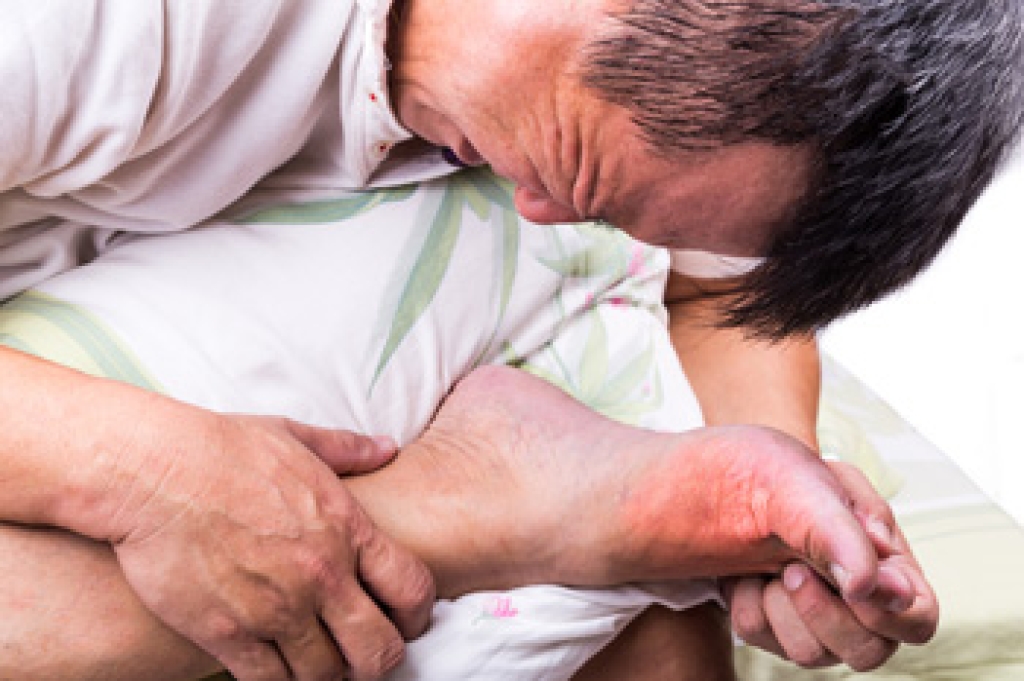
Gout is a type of inflammatory arthritis that often affects the foot, especially the joint at the base of the big toe. It develops when high levels of uric acid in the blood form tiny crystals inside a joint. These crystals can trigger sudden episodes of severe pain, swelling, and redness. During a gout flare, the affected joint may also feel warm and become extremely sensitive to touch. Although symptoms often begin in the big toe, gout can also affect the ankles, heels, or other joints in the feet. The pain may come on quickly, sometimes during the night, and make walking difficult. Because other foot conditions can cause similar symptoms, a professional evaluation is important for an accurate diagnosis.


A podiatrist can examine the affected foot and determine whether gout may be causing your symptoms. During the evaluation, the podiatrist checks the painful joint, reviews your medical history, and may recommend additional testing to confirm the diagnosis. Treatment depends on the severity of the condition and whether other foot problems are present. Professional gout treatment focuses on reducing joint damage, improving comfort, and helping restore normal foot function. A podiatrist can also monitor changes over time and work with your primary healthcare provider when ongoing medical management is needed. Early treatment may help reduce the risk of repeated flare-ups and lasting joint damage.


Professional podiatry care plays an important role in managing foot pain caused by gout. Prompt evaluation can help identify the condition before repeated attacks lead to long-term joint problems or changes in foot function. A podiatrist develops a treatment plan based on your symptoms and overall foot health while monitoring your recovery. Professional foot care can also improve comfort and support better mobility during everyday activities. If you have sudden pain, swelling, or redness in your big toe or foot, it is suggested that you consult a podiatrist for an evaluation.

Gout is a foot condition that requires certain treatment and care. If you are seeking treatment, contact one of our podiatrists from Advanced Podiatry and Wound Care. Our doctors will treat your foot and ankle needs.

What Is Gout?

Gout is a type of arthritis caused by a buildup of uric acid in the bloodstream. It often develops in the foot, especially the big toe area, although it can manifest in other parts of the body as well. Gout can make walking and standing very painful and is especially common in diabetics and the obese.

People typically get gout because of a poor diet. Genetic predisposition is also a factor. The children of parents who have had gout frequently have a chance of developing it themselves.

Gout can easily be identified by redness and inflammation of the big toe and the surrounding areas of the foot. Other symptoms include extreme fatigue, joint pain, and running high fevers. Sometimes corticosteroid drugs can be prescribed to treat gout, but the best way to combat this disease is to get more exercise and eat a better diet.

If you have any questions, please feel free to contact our office located in St. Petersburg, FL . We offer the newest diagnostic and treatment technologies for all your foot care needs.

Read more about Everything You Need to Know About Gout

Orthotics for Common Foot Conditions

Foot orthotics are often used to manage conditions like bunions, hammertoe, and Achilles tendinosis by improving alignment and reducing strain on affected areas. These devices provide support and cushioning that help relieve pressure on the front and back of the foot during walking. For bunions, orthotics can help guide proper foot mechanics and reduce stress on the big toe joint. In cases of hammertoe, they may decrease irritation by redistributing pressure away from the toes. For Achilles tendinosis, orthotics can support the heel and reduce tension on the tendon. This combined effect can improve comfort and daily function. A podiatrist can assess foot structure and movement to recommend the most effective orthotic design. With proper care, symptoms can be managed more effectively. If you have foot pain or a specific condition, it is suggested that you consult a podiatrist to discuss appropriate relief solutions, which may include custom-made orthotics.

Our feet carry us through every part of life, absorbing the impact of thousands of steps each day. When they are not properly supported, the effects can extend far beyond the feet themselves. Custom orthotics provide the foundation the body needs by aligning, cushioning, and stabilizing each foot in its most natural position. They are carefully crafted to match the unique structure of each individual’s feet, allowing them to move efficiently and comfortably while reducing stress on the muscles, joints, and ligaments.

Proper foot support is essential for maintaining balance and preventing fatigue. Without it, the body compensates by shifting weight unevenly, which can lead to discomfort in the ankles, knees, hips, or lower back. Custom orthotics help restore this balance by redistributing pressure and promoting a more natural walking pattern. They not only ease existing pain but also protect against future strain or injury by supporting the arches and controlling excessive motion.

Unlike store-bought insoles, custom orthotics are created through detailed assessment and advanced technology to provide precise correction and comfort. They fit seamlessly into most shoes, making them ideal for daily wear, work, or sports.

If your feet feel tired, sore, or unsupported, it is recommended that you contact our office for more information, or to make an appointment.

If you have any questions please contact our office located in St. Petersburg, FL

Read more about Sole Marketing Supporting Our Feet

Connect With Us

scroll to top