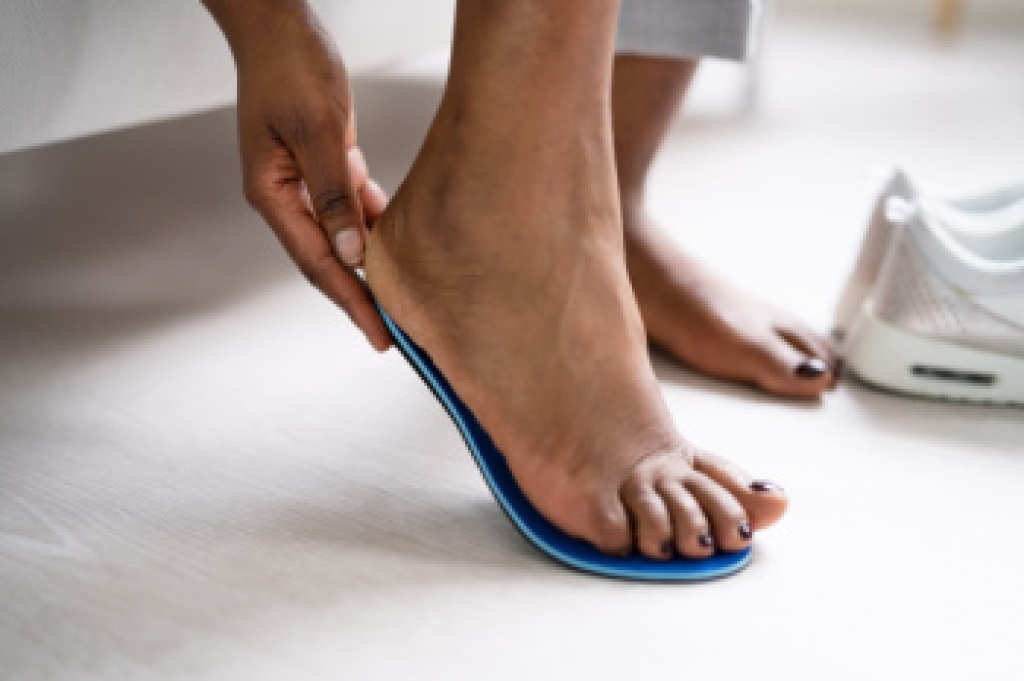
Who said style can't be comfortable? With Custom Orthotics, you get the best of both worlds. Slip them into your favorite fashionable shoes and feel the difference. They mold to your feet, offering support without compromising on style. No more choosing between looking good and feeling great. With Custom Orthotics, step out in style and comfort every day. Contact our office to learn more!
Shoe inserts, also known as orthotics, are devices placed inside footwear to support the feet and improve alignment during movement. These inserts are commonly used in sports and physical activities to enhance comfort and reduce strain on the lower body. Orthotics can be custom-made or prefabricated, depending on the level of support needed. Their purpose is to stabilize the foot, improve shock-absorption, and promote efficient movement patterns. By addressing imbalances, orthotics help reduce stress on muscles and joints during activity.
Symptoms that may indicate the need for orthotics include foot pain, arch fatigue, heel discomfort, and instability while running or walking. Athletes may also notice decreased performance or recurring injuries. Risk factors include repetitive motion, high-impact sports, and wearing improper footwear. Structural foot issues such as flat feet or high arches are other factors. Without proper support, these factors can increase the likelihood of movement-related injuries and long-term discomfort.
Orthotics are used to treat a variety of conditions, including plantar fasciitis, Achilles tendon strain, shin splints, and over-pronation. They work by redistributing pressure across the foot and correcting alignment. This helps reduce strain on specific areas and supports natural motion. For individuals involved in sports, orthotics can improve balance, enhance stability, and reduce the risk of injury. They also help absorb impact forces, which is essential for protecting joints during repetitive movement.
The benefits of shoe inserts include improved comfort, better performance, and reduced risk of injury. They can support recovery by minimizing stress on affected areas and promoting proper biomechanics. Consistent use of orthotics can lead to long-term improvements in foot health and mobility. If you have foot pain or conditions that require orthotics, it is suggested that you consult a podiatrist who can determine what type of orthotics are right for you.
If you are having discomfort in your feet and would like to try orthotics, contact one of our podiatrists from Advanced Podiatry and Wound Care. Our doctors can provide the care you need to keep you pain-free and on your feet.
What Are Orthotics?
Orthotics are inserts you can place into your shoes to help with a variety of foot problems such as flat feet or foot pain. Orthotics provide relief and comfort for minor foot and heel pain but can’t correct serious biomechanical problems in your feet.
Over-the-Counter Inserts
Orthotics come in a wide variety of over-the-counter inserts that are used to treat foot pain, heel pain, and minor problems. For example, arch supports can be inserted into your shoes to help correct overarched or flat feet, while gel insoles are often used because they provide comfort and relief from foot and heel pain by alleviating pressure.
Prescription Orthotics
If over-the-counter inserts don’t work for you or if you have a more severe foot concern, it is possible to have your podiatrist prescribe custom orthotics. These high-quality inserts are designed to treat problems such as abnormal motion, plantar fasciitis, and severe forms of heel pain. They can even be used to help patients suffering from diabetes by treating foot ulcers and painful calluses and are usually molded to your feet individually, which allows them to provide full support and comfort.
If you are experiencing minor to severe foot or heel pain, it’s recommended to speak with your podiatrist about the possibilities of using orthotics. A podiatrist can determine which type of orthotic is right for you and allow you to take the first steps towards being pain-free.
If you have any questions, please feel free to contact our office located in St. Petersburg, FL. We offer the newest diagnostic and treatment technologies for all your foot care needs.
Foot and ankle conditions refer to a wide range of disorders that affect the bones, joints, tendons, and ligaments of the lower extremity. These conditions can interfere with walking, balance, and daily function. Common examples include plantar fasciitis, Achilles tendonitis, ankle sprains, and arthritis. Each condition may vary in severity, but all can lead to discomfort and reduced mobility, if not addressed. Understanding the structure of the foot and ankle helps explain how these conditions develop and why proper support is essential.
Symptoms of foot and ankle conditions include pain, swelling, stiffness, and limited range of motion. Some individuals may also experience instability, difficulty bearing weight, or visible deformities like bunions or hammertoes. Risk factors include improper footwear, repetitive stress, obesity, and aging. Causes may involve overuse, poor biomechanics, sudden trauma, or chronic conditions like diabetes or inflammatory disorders. These factors place excessive strain on the foot and ankle, leading to inflammation and structural changes over time.
Braces and orthotics are effective tools for managing many foot and ankle conditions. Orthotics provide arch support, improve alignment, and reduce abnormal motion, which helps relieve stress on soft tissues. Braces offer additional stability by limiting excessive movement and supporting weakened joints or ligaments. Together, they can reduce pain, improve function, and promote healing. These devices are often customized to address specific conditions and can be used during daily activities to enhance comfort and prevent further injury.
Early intervention and proper support are key to maintaining foot and ankle health. Braces and orthotics offer non-invasive solutions that can significantly improve quality of life. If you have a foot or ankle condition and are interested in learning how orthotics can help, it is suggested that you consult a podiatrist for effective relief and treatment solutions, which may include custom made orthotics.
Custom orthotics are specialized shoe inserts created to support and align the feet according to each person’s unique structure and walking pattern. They are an effective way to relieve foot discomfort caused by conditions such as flat feet, high arches, plantar fasciitis, bunions, and heel pain. When the natural alignment of the foot is off balance, it can lead to pressure points, strain, and pain that affect how a person stands, walks, and moves. Orthotics work by redistributing weight evenly and supporting the arch to reduce stress on the muscles, tendons, and joints of the feet and lower legs.
Foot discomfort can develop for many reasons, including wearing improper footwear, long hours of standing, repetitive motion, or underlying structural problems. Over time, this discomfort can extend beyond the feet, contributing to knee, hip, or lower back pain. Custom orthotics help correct these issues by improving alignment and promoting more efficient movement. They are made using precise measurements and imaging to ensure the best fit for each patient, providing targeted support and cushioning where it is needed most.
Unlike generic insoles, custom orthotics are durable, medically designed, and tailored to your specific needs. Whether you are managing chronic pain, recovering from an injury, or simply seeking better comfort and stability, orthotics can make a noticeable difference in how your feet feel throughout the day.
If you are experiencing persistent foot discomfort or fatigue, it may be time to have your feet evaluated by a podiatrist. Call our office today for more information or to schedule an appointment.
If you have any questions, please feel free to contact our office located in St. Petersburg, FL.
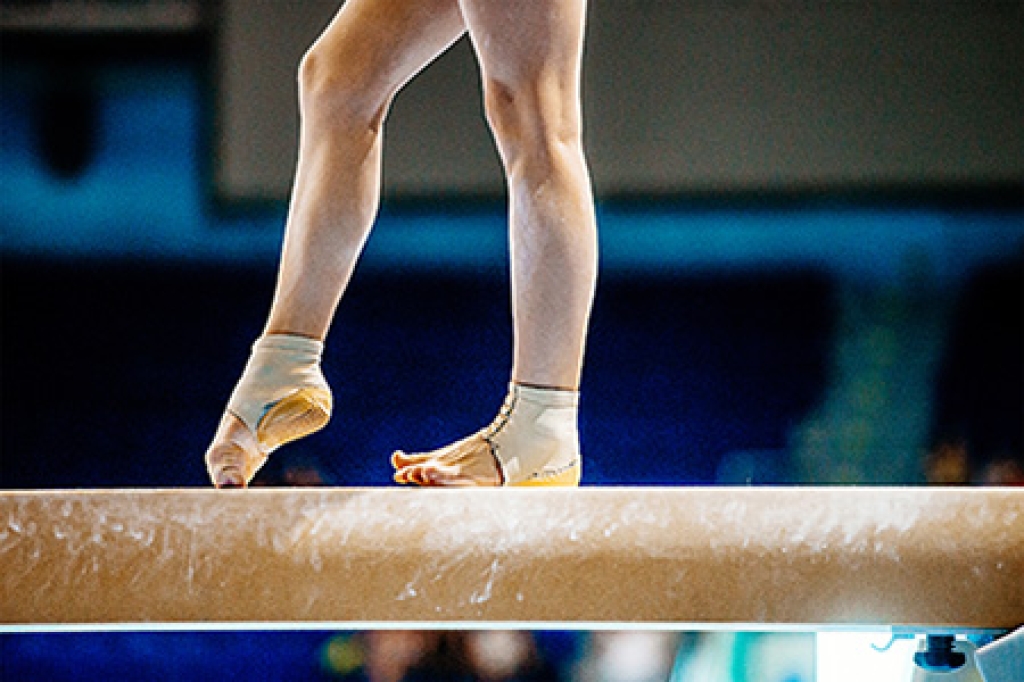
Gymnastics requires strength, flexibility, balance, and repeated impact on the feet and ankles, making athletes vulnerable to injuries. Foot or ankle injuries from gymnastics can occur from overuse, improper technique, or sudden stress during high-impact movements. Common injuries include ankle sprains and Achilles tendonitis. An ankle sprain happens when ligaments supporting the ankle stretch or tear, often during floor routines, landings, or falls from equipment such as the balance beam or parallel bars. Achilles tendonitis is inflammation of the Achilles tendon, which connects the calf muscles to the heel and often develops from repetitive stress caused by jumping and landing.
Symptoms of an ankle sprain may include pain, swelling, bruising, stiffness, and difficulty putting weight on the affected foot. Some athletes may feel instability or weakness when moving the ankle. Achilles tendonitis symptoms commonly include pain or tenderness along the back of the heel, stiffness in the morning, swelling, and discomfort that worsens during activity. Both conditions can limit performance and may become more severe if ignored.
Several risk factors increase the chance of gymnastics-related foot and ankle injuries. Repetitive training and sudden increases in activity can place additional stress on joints and tendons. Poor landing mechanics, muscle weakness, and limited flexibility can add to this strain. Wearing improper footwear or training without adequate support may also contribute to injury. Gymnasts can help reduce impact by using footwear with reinforced toes designed to absorb pressure during landing. Proper warm ups, strength training, and flexibility exercises are also important for injury prevention.
Treatment and prevention strategies depend on the type and severity of the injury. Rest, activity modification, wearing supportive footwear, and podiatric guidance can help protect the foot and ankle while promoting recovery. A podiatrist can evaluate movement patterns, identify underlying problems, and recommend appropriate treatment options. If you have a foot or ankle injury from gymnastics, it is suggested that you consult a podiatrist for an accurate diagnosis and appropriate treatment.
Sports related foot and ankle injuries require proper treatment before players can go back to their regular routines. For more information, contact one of our podiatrists of Advanced Podiatry and Wound Care. Our doctors can provide the care you need to keep you pain-free and on your feet.
Sports Related Foot and Ankle Injuries
Foot and ankle injuries are a common occurrence when it comes to athletes of any sport. While many athletes dismiss the initial aches and pains, the truth is that ignoring potential foot and ankle injuries can lead to serious problems. As athletes continue to place pressure and strain the area further, a mild injury can turn into something as serious as a rupture and may lead to a permanent disability. There are many factors that contribute to sports related foot and ankle injuries, which include failure to warm up properly, not providing support or wearing bad footwear. Common injuries and conditions athletes face, including:
Plantar Fasciitis
Achilles Tendinitis
Achilles Tendon Rupture
Ankle Sprains
Sports related injuries are commonly treated using the RICE method. This includes rest, applying ice to the injured area, compression and elevating the ankle. More serious sprains and injuries may require surgery, which could include arthroscopic and reconstructive surgery. Rehabilitation and therapy may also be required in order to get any recovering athlete to become fully functional again. Any unusual aches and pains an athlete sustains must be evaluated by a licensed, reputable medical professional.
If you have any questions please contact our office located in St. Petersburg, FL. We offer the newest diagnostic and treatment technologies for all your foot and ankle needs.
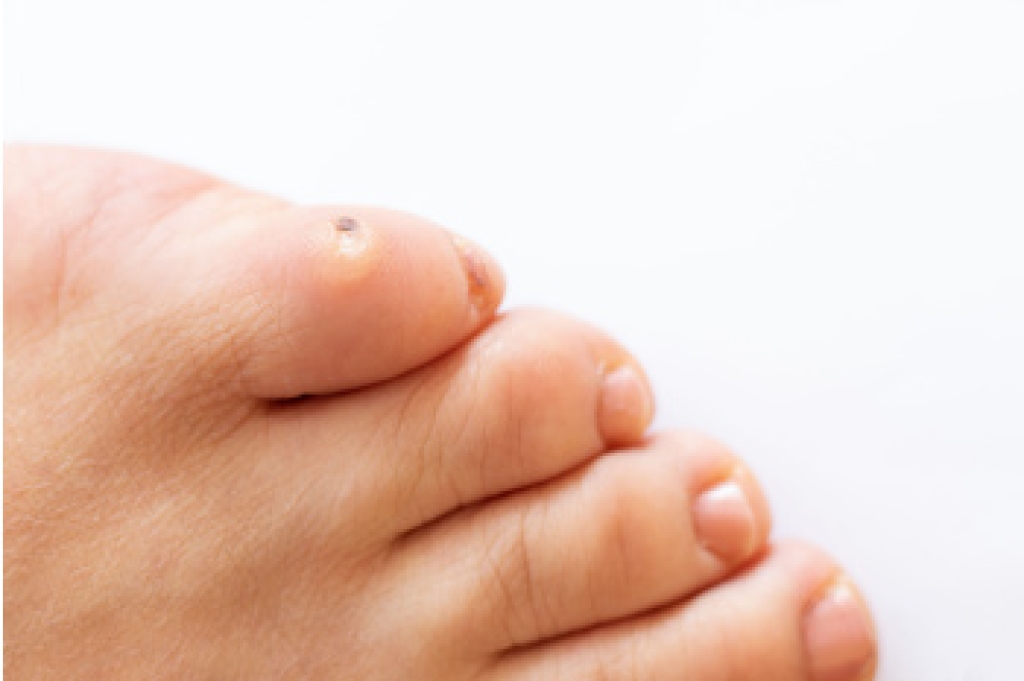
Plantar warts are small growths that develop on parts of the feet that bear weight. They're typically found on the bottom of the foot. Don't live with plantar warts, and call us today!