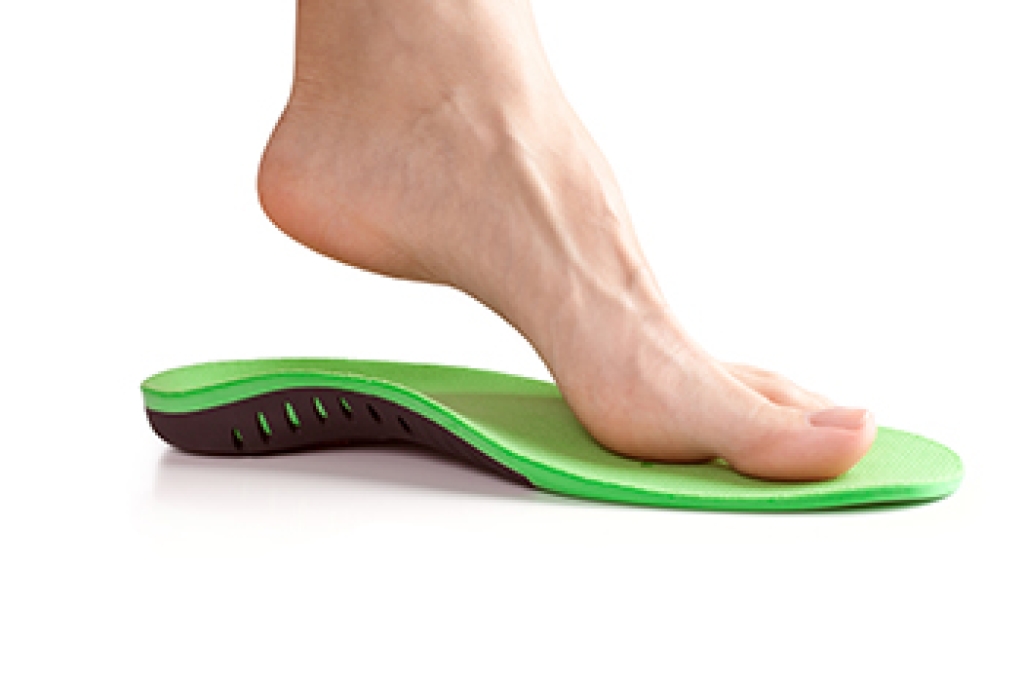
Causes and Treatment for Swollen Feet

Swelling of the feet can develop when excess fluid collects in the tissues of the feet, ankles, or lower legs. This buildup is called edema. Swelling can affect one or both feet and can sometimes extend into the legs. Gravity can make swelling more noticeable in the lower body, especially after standing for long periods of time. Long airplane flights or car rides can also contribute to swollen feet and ankles. In some cases, swelling follows an injury or surgery involving the foot, ankle, or leg. The area can feel tight, heavy, or uncomfortable.

Several health problems can cause swelling in the feet. Poor circulation in the leg veins can allow fluid to collect in the lower limbs. A blood clot or infection can also cause swelling, particularly when one leg is affected. Swelling can also be connected to problems involving the heart, kidneys, or liver because these conditions can cause excess fluid to remain in the body. Certain medications can contribute to swelling as well. Sudden swelling deserves attention, especially when the foot or leg becomes red or warm. Swelling accompanied by chest pain or shortness of breath requires immediate emergency care.

A podiatrist can examine swollen feet and ankles and look for signs that help identify the cause. The evaluation includes discussing when the swelling began, whether one or both feet are affected, and what other symptoms are present. A podiatrist can assess circulation and examine the skin for changes linked to swelling. Diagnostic testing can also help determine what is causing the problem. Treatment depends on the underlying cause rather than the swelling alone. If your feet or ankles have become swollen, it is suggested that you schedule an appointment with a podiatrist for a diagnosis and appropriate treatment.

Swollen feet can be a sign of an underlying condition. If you have any concerns, contact one of our podiatrists of Advanced Podiatry and Wound Care. Our doctors can provide the care you need to keep you pain-free and on your feet.

Swollen feet are a common ailment among pregnant women and people who stand or sit for extended periods. Aging may increase the possibility of swollen feet and patients who are obese often notice when their feet are swelling too. There may be medical reasons why swollen feet occur:

  • Phlebitis - A condition that causes the veins to become inflamed and can also cause leg pain.
  • Liver disease - This may lead to low blood levels of albumin which is a protein. This can cause fluid in the blood to pass into the tissues and several areas of the body can become swollen.
  • Heart failure - When the heart doesn’t pump properly the blood that is normally pumped back to the heart can pool in the veins of the legs causing swollen feet.
  • Kidney disease - One of the main functions of the kidneys is releasing excess fluid in the body. This type of condition can make it difficult for the kidneys to function properly, and as a result the feet may become swollen.
  • Deep-vein thrombosis (DVT)- This is a serious condition where blood clots form in the veins of the legs. They can block the return of blood from the legs to the heart which may cause the feet to swell. It is important to be treated by a podiatrist if this condition is present.

Swollen feet can also be caused by bone and tendon conditions, including fractures, arthritis, and tendinitis. Additionally, there may be skin and toenail conditions and an infection may cause the feet to swell. Patients who take medicine to treat high blood pressure may be prone to getting swollen feet. 

Many patients elevate their feet to help relieve the swelling and this is generally a temporary remedy. When a podiatrist is consulted the reason behind the swelling can be uncovered and subsequently treated.

If you have any questions please contact our office located in St. Petersburg, FL . We offer the newest diagnostic and treatment technologies for all your foot and ankle needs.
Read more about Swelling of the Feet

Understanding Foot Development Problems in Babies

Congenital foot problems are conditions affecting a baby’s feet that are present at birth. Some develop because of the baby’s position before birth, while others involve differences in how the bones, joints, or muscles formed. One example is clubfoot, which causes the foot to turn inward and downward. Another is metatarsus adductus, in which the front half of the foot curves inward. Some newborn foot deformities are flexible, while others are more rigid. The appearance of a baby’s feet does not always indicate the severity of a condition. A professional examination can help determine the type of foot problem and whether treatment is necessary.


Early evaluation is important because a baby’s feet continue to grow and develop quickly. Some congenital foot deformities may improve as the child grows, while others require medical treatment to guide the foot into a better position. The severity and flexibility of the deformity can help determine the appropriate approach. Certain conditions may affect one foot or both feet. Without proper care, more serious deformities may eventually influence standing, walking, or normal foot function. Identifying the condition early allows health care professionals to monitor development and determine whether additional treatment is needed as the child grows.


A podiatrist can evaluate congenital foot problems by examining the shape, position, and movement of a baby’s feet. The examination can help determine whether the foot is flexible or whether structural changes require closer attention. Depending on the diagnosis, podiatric care may involve monitoring development, specialized casting, or coordination with other medical specialists. Treatment decisions are based on the specific deformity and the child’s development. Early podiatric care can help support proper foot alignment and future mobility when treatment is needed. If you notice unusual positioning, shape, or movement in your baby’s feet, it is suggested that you consult a podiatrist for an evaluation and appropriate treatment options.

Congenital foot problems require immediate attention to avoid future complications. If you have any concerns, contact one of our podiatrists of Advanced Podiatry and Wound Care. Our doctors can provide the care you need to keep you pain-free and on your feet.

Congenital foot problems are deformities affecting the feet, toes, and/or ankles that children are born with. Some of these conditions have a genetic cause while others just happen. Some specific foot ailments that children may be born with include clubfeet, polydactyly/macrodactyly, and cleft foot. There are several other foot anomalies that can occur congenitally. What all of these conditions have in common is that a child may experience difficulty walking or performing everyday activities, as well as trouble finding footwear that fits their foot deformity. Some of these conditions are more serious than others. Consulting with a podiatrist as early as possible will help in properly diagnosing a child’s foot condition while getting the necessary treatment underway.

What are Causes of Congenital Foot Problem?

A congenital foot problem is one that happens to a child at birth. These conditions can be caused by a genetic predisposition, developmental or positional abnormalities during gestation, or with no known cause.

What are Symptoms of Congenital Foot Problems?

Symptoms vary by the congenital condition. Symptoms may consist of the following:

  • Clubfoot, where tendons are shortened, bones are shaped differently, and the Achilles tendon is tight, causing the foot to point in and down. It is also possible for the soles of the feet to face each other.
  • Polydactyly, which usually consists of a nubbin or small lump of tissue without a bone, a toe that is partially formed but has no joints, or an extra toe.
  • Vertical talus, where the talus bone forms in the wrong position causing other bones in the foot to line up improperly, the front of the foot to point up, and the bottom of the foot to stiffen, with no arch, and to curve out.
  • Tarsal coalition, when there is an abnormal connection of two or more bones in the foot leading to severe, rigid flatfoot.
  • Cleft foot, where there are missing toes, a V-shaped cleft, and other anatomical differences.
  • Macrodactyly, when the toes are abnormally large due to overgrowth of the underlying bone or soft tissue.

Treatment and Prevention

While there is nothing one can do to prevent congenital foot problems, raising awareness and receiving neonatal screenings are important. Early detection by taking your child to a podiatrist leads to the best outcome possible.

If you have any questions, please feel free to contact our office located in St. Petersburg, FL . We offer the newest diagnostic and treatment technologies for all your foot care needs.

Read more about Congenital Foot Problems

Bypass Bunion Surgery with Custom Orthotics

Considering bunion surgery? Think again. Custom Orthotics offer a non-surgical approach to reduce pain and restore foot function. Customized to your foot's structure, they realign and redistribute pressure, alleviating bunion discomfort. Experience the freedom of movement without the downtime and risks of surgery. Contact our office to make an appointment.

What to Know About an Achilles Tendon Rupture

Achilles tendon pain can range from soreness and tenderness to a sudden, serious rupture. The Achilles tendon is a strong band of tissue that connects the calf muscles to the heel. It helps the foot push off the ground while walking, running, and jumping. A rupture happens when the tendon tears after a forceful movement. A sudden snap or popping feeling in the back of the leg can be a warning sign. Some people describe it as feeling like they were struck in the calf. Pain, swelling, and difficulty pushing off the foot can occur. Importantly, a person with a ruptured Achilles tendon can sometimes still walk or move the ankle, so these abilities do not rule out a rupture.

A podiatrist can evaluate Achilles tendon pain or a suspected rupture by reviewing the injury and examining the foot, ankle, and lower leg. The examination can include the calf squeeze test, which checks foot movement when the calf is gently squeezed. A ruptured tendon can cause little or no normal foot movement with this test. A gap in the tendon is not always easy to feel because swelling can hide it. In some cases, imaging can provide more information, but a clinical examination can identify an acute rupture. Prompt recognition is important because a missed rupture can heal in a lengthened position and lead to lasting weakness.

Treatment for an Achilles rupture depends on the injury and the patient's needs. A podiatrist can help determine an appropriate treatment plan, which can include immobilization, structured rehabilitation, or surgery. Follow-up visits can allow the podiatrist to monitor healing, strength, and function and adjust treatment as recovery progresses. Achilles tendon pain without a rupture also deserves attention, especially when pain continues or affects normal activity. If you have  Achilles tendon pain, it is suggested that you schedule an appointment with a podiatrist for a diagnosis and appropriate treatment.

Achilles tendon injuries need immediate attention to avoid future complications. If you have any concerns, contact one of our podiatrists of Advanced Podiatry and Wound Care. Our doctors can provide the care you need to keep you pain-free and on your feet.

What Is the Achilles Tendon?

The Achilles tendon is a tendon that connects the lower leg muscles and calf to the heel of the foot. It is the strongest tendon in the human body and is essential for making movement possible. Because this tendon is such an integral part of the body, any injuries to it can create immense difficulties and should immediately be presented to a doctor.

What Are the Symptoms of an Achilles Tendon Injury?

There are various types of injuries that can affect the Achilles tendon. The two most common injuries are Achilles tendinitis and ruptures of the tendon.

Achilles Tendinitis Symptoms

  • Inflammation
  • Dull to severe pain
  • Increased blood flow to the tendon
  • Thickening of the tendon

Rupture Symptoms

  • Extreme pain and swelling in the foot
  • Total immobility

Treatment and Prevention

Achilles tendon injuries are diagnosed by a thorough physical evaluation, which can include an MRI. Treatment involves rest, physical therapy, and in some cases, surgery. However, various preventative measures can be taken to avoid these injuries, such as:

  • Thorough stretching of the tendon before and after exercise
  • Strengthening exercises like calf raises, squats, leg curls, leg extensions, leg raises, lunges, and leg presses

If you have any questions please feel free to contact our office located in St. Petersburg, FL . We offer the newest diagnostic tools and technology to treat your foot and ankle needs.

Read more about What are Achilles Tendon Injuries

Conditions That Can Be Treated With Custom Orthotics

A custom-made foot orthotic is not just a device; it is a carefully designed remedy that sits subtly inside the shoe, with its main objective being to correct, support, and improve foot irregularities, thus optimizing foot function. These orthotics, when combined with suitable footwear, become instrumental in addressing a plethora of foot and lower limb problems. Individuals suffering from pronation disorders, persistent foot discomfort, plantar fasciitis, foot-related arthritis, and certain sports-induced injuries often find significant relief and improvement using these tailored insoles. The advantages of custom orthotics are vast, and for those contemplating their benefits, a visit to a qualified podiatrist for a comprehensive evaluation and consultation is suggested.

Custom orthotics can be an important solution for reducing foot pain by targeting its structural causes rather than just the symptoms. When the feet are misaligned, excess strain develops in the muscles, tendons, and ligaments, often resulting in discomfort in the arches, balls of the feet, or toes. Orthotics are designed to match each foot’s natural shape, supporting proper alignment and evenly distributing pressure to ease pain and improve movement.

Foot pain is commonly caused by overuse, wearing improper footwear, or biomechanical issues that place added stress on sensitive areas. By stabilizing the foot and restoring natural motion, custom orthotics help reduce strain, calm inflammation, and promote healing. Many patients experience lasting relief and greater comfort while walking, standing, or exercising.

Created from a detailed assessment using advanced imaging or casting, each pair of orthotics is tailored to your individual needs. If you are experiencing ongoing foot pain, it is suggested that you contact our office for an evaluation and treatment.

If you have any questions, please feel free to contact our office located in St. Petersburg, FL .

Read more about Sole Marketing Foot Pain

Connect With Us

scroll to top