Connect With Us
Blog
Items filtered by date: January 2025
Tuesday, 28 January 2025 00:00
Causes of Sudden Ankle Pain Without Injury
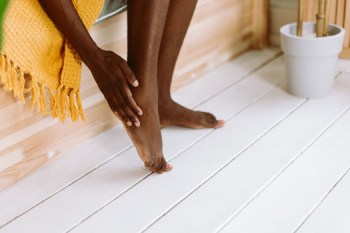
Sudden ankle pain without a clear injury can be caused by several underlying conditions. Gout is one of the most common causes, characterized by sudden, intense pain, often in the joint of the big toe, but it can also affect the ankle. This condition occurs when uric acid builds up in the body, forming crystals that cause inflammation and pain. Arthritis, particularly osteoarthritis or rheumatoid arthritis, can also lead to sudden ankle pain, as the joint becomes inflamed and worn down over time. Achilles tendinitis is another potential cause, resulting in pain and swelling in the tendon at the back of the ankle. This condition is often triggered by overuse or strain, even without a specific injury. Flat feet can also contribute to sudden ankle pain by placing additional stress on the joints, leading to discomfort and inflammation. If your ankle hurts without an obvious reason, it is suggested that you contact a podiatrist who can determine what the reason is, and offer appropriate treatment solutions.
Ankle pain can be caused by a number of problems and may be potentially serious. If you have ankle pain, consult with William Beaton, DPM from Advanced Podiatry and Wound Care. Our doctor will assess your condition and provide you with quality foot and ankle treatment.
Ankle pain is any condition that causes pain in the ankle. Due to the fact that the ankle consists of tendons, muscles, bones, and ligaments, ankle pain can come from a number of different conditions.
Causes
The most common causes of ankle pain include:
- Types of arthritis (rheumatoid, osteoarthritis, and gout)
- Ankle sprains
- Broken ankles
- Achilles tendonitis
- Achilles tendon rupture
- Stress fractures
- Bursitis
- Tarsal tunnel syndrome
- Plantar fasciitis
Symptoms
Symptoms of ankle injury vary based upon the condition. Pain may include general pain and discomfort, swelling, aching, redness, bruising, burning or stabbing sensations, and/or loss of sensation.
Diagnosis
Due to the wide variety of potential causes of ankle pain, podiatrists will utilize a number of different methods to properly diagnose ankle pain. This can include asking for personal and family medical histories and of any recent injuries. Further diagnosis may include sensation tests, a physical examination, and potentially x-rays or other imaging tests.
Treatment
Just as the range of causes varies widely, so do treatments. Some more common treatments are rest, ice packs, keeping pressure off the foot, orthotics and braces, medication for inflammation and pain, and surgery.
If you have any questions, please feel free to contact our office located in St. Petersburg, FL . We offer the newest diagnostic and treatment technologies for all your foot care needs.
Tuesday, 21 January 2025 00:00
Custom Orthotics and Charcot-Marie-Tooth Disease
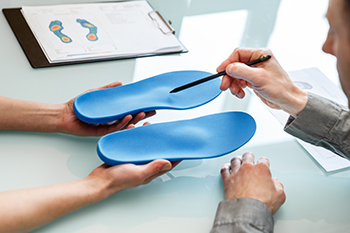
Charcot-Marie-Tooth, or CMT disease, is a hereditary neurological disorder that affects the peripheral nerves leading to muscle weakness, foot deformities, and balance issues. Custom orthotics are often prescribed to improve foot alignment, provide arch support, and reduce pressure points. However, side effects can occur if the orthotics are poorly fitted or not regularly adjusted. These may include increased discomfort, skin irritation, pressure sores, or worsening of foot deformities over time. A podiatrist plays a vital role in managing CMT-related foot complications. This type of doctor can design and adjust orthotics tailored to the patient’s specific needs, ensuring proper fit and support. Regular follow-ups allow the podiatrist to monitor changes in foot structure and address emerging issues early. If you have CMT, it is suggested that you visit a podiatrist for a professional evaluation of custom orthotics.
If you are having discomfort in your feet and would like to try orthotics, contact William Beaton, DPM from Advanced Podiatry and Wound Care. Our doctor can provide the care you need to keep you pain-free and on your feet.
What Are Orthotics?
Orthotics are inserts you can place into your shoes to help with a variety of foot problems such as flat feet or foot pain. Orthotics provide relief and comfort for minor foot and heel pain but can’t correct serious biomechanical problems in your feet.
Over-the-Counter Inserts
Orthotics come in a wide variety of over-the-counter inserts that are used to treat foot pain, heel pain, and minor problems. For example, arch supports can be inserted into your shoes to help correct overarched or flat feet, while gel insoles are often used because they provide comfort and relief from foot and heel pain by alleviating pressure.
Prescription Orthotics
If over-the-counter inserts don’t work for you or if you have a more severe foot concern, it is possible to have your podiatrist prescribe custom orthotics. These high-quality inserts are designed to treat problems such as abnormal motion, plantar fasciitis, and severe forms of heel pain. They can even be used to help patients suffering from diabetes by treating foot ulcers and painful calluses and are usually molded to your feet individually, which allows them to provide full support and comfort.
If you are experiencing minor to severe foot or heel pain, it’s recommended to speak with your podiatrist about the possibilities of using orthotics. A podiatrist can determine which type of orthotic is right for you and allow you to take the first steps towards being pain-free.
If you have any questions please contact our office located in St. Petersburg, FL . We offer the newest diagnostic and treatment technologies for all your foot and ankle needs.
Thursday, 16 January 2025 00:00
Custom Orthotics For Outdoor Activity

Embrace the great outdoors with confidence and comfort! Whether you're hiking, jogging, or exploring nature, Custom Orthotics are your perfect companion. Tailored to your foot's unique needs, they provide stability on uneven terrains and cushioning for those longer adventures. Don't let foot discomfort limit your outdoor experiences. With Custom Orthotics, every step is supported and secure. Call today to schedule an appointment.
Tuesday, 14 January 2025 00:00
Effective Stretches to Strengthen Flat Feet
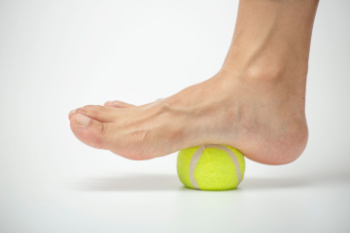
Flat feet can lead to discomfort and misalignment, but specific stretches can help strengthen the muscles in the feet and improve their arch. One effective stretch is the toe curl, which involves sitting with feet flat on the floor and using the toes to pick up a towel or small object. This exercise helps strengthen the muscles that support the arch. Another helpful stretch is the calf stretch, where you stand with your hands on a wall, one foot forward and the other behind, pressing the heel of the back foot into the ground to stretch the calf and Achilles tendon. Regularly practicing the arch lift can also be beneficial, where you lift the arches while keeping the toes and heels grounded. These stretches combined with exercises for the foot muscles, can help improve posture, alleviate discomfort, and support healthier foot function. If you have flat feet, it is suggested that you are under the care of a podiatrist who can offer relief and treatment solutions with custom orthotics.
Stretching the feet is a great way to prevent injuries. If you have any concerns with your feet consult with William Beaton, DPM from Advanced Podiatry and Wound Care. Our doctor will assess your condition and provide you with quality foot and ankle treatment.
Stretching the Feet
Being the backbone of the body, the feet carry your entire weight and can easily become overexerted, causing cramps and pain. As with any body part, stretching your feet can serve many benefits. From increasing flexibility to even providing some pain relief, be sure to give your feet a stretch from time to time. This is especially important for athletes or anyone performing aerobic exercises, but anyone experiencing foot pain or is on their feet constantly should also engage in this practice.
Great ways to stretch your feet:
- Crossing one leg over the others and carefully pull your toes back. Do 10-20 repetitions and repeat the process for each foot
- Face a wall with your arms out and hands flat against the wall. Step back with one foot and keep it flat on the floor while moving the other leg forward. Lean towards the wall until you feel a stretch. Hold for 30 seconds and perform 10 repetitions for each foot
- Be sure not to overextend or push your limbs too hard or you could risk pulling or straining your muscle
Individuals who tend to their feet by regular stretching every day should be able to minimize foot pain and prevent new problems from arising.
If you have any questions, please feel free to contact our office located in St. Petersburg, FL . We offer the newest diagnostic and treatment technologies for all your foot care needs.
Thursday, 09 January 2025 00:00
How Orthotics Can Support Children with Flexible Flat Feet
Children with flexible flat feet often experience pain, discomfort, or fatigue due to poor arch support. Flexible flat feet occur when the arch of the foot appears flat while standing but returns to its normal position when sitting or resting. Orthotics can help by providing the necessary support to correct foot alignment and encouraging arch development. Custom-made orthotics can help distribute weight evenly, reduce strain on the muscles and ligaments, and improve overall foot function. With the right orthotics, children can experience relief from pain and prevent the condition from worsening as they grow. If your child has flat feet, it is suggested that you consult a podiatrist who can determine if orthotics can help manage this condition.
If you are experiencing discomfort in your feet and would like to try custom orthotics, contact William Beaton, DPM from Advanced Podiatry and Wound Care. Our doctor can provide the care you need to keep you pain-free and on your feet.
What Are Custom Orthotics?
Custom orthotics are inserts you can place into your shoes to help with a variety of foot problems such as flat feet or foot pain. Orthotics provide relief and comfort for minor foot and heel pain.
Over-the-Counter Inserts
Shoe inserts come in a wide variety and are used to treat foot pain, heel pain, and minor problems. For example, arch supports can be inserted into your shoes to help correct overarched or flat feet, while gel insoles are often used because they provide comfort and relief from foot and heel pain by alleviating pressure.
Prescription Orthotics
If over-the-counter inserts don’t work for you or if you have a more severe foot concern, it is possible to have your podiatrist prescribe custom orthotics. These high-quality, custom inserts are designed to treat problems such as abnormal motion, plantar fasciitis, and severe forms of heel pain. They can even be used to help patients suffering from diabetes by treating foot ulcers and painful calluses and are usually molded to your feet individually, which allows them to provide full support and comfort.
If you're experiencing minor to severe foot or heel pain, it’s recommended to speak with your podiatrist about the possibility of using custom orthotics or shoe inserts. A podiatrist can determine which type of custom orthotic or shoe insert is right for you and help you take the first steps toward being pain-free.
If you have any questions please contact our office located in St. Petersburg, FL . We offer the newest diagnostic and treatment technologies for all your foot and ankle needs.
Wednesday, 08 January 2025 00:00
Why Live with Pain and Numbness in Your Feet?
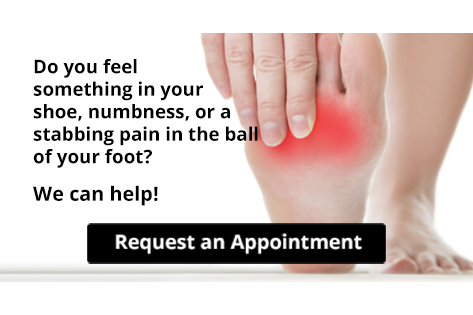
Suffering from this type of pain? You may have the foot condition known as Morton's neuroma. Morton's neuroma may develop as a result of ill-fitting footwear and existing foot deformities. We can help.
Tuesday, 07 January 2025 00:00
The Importance of Barefoot Walking for Kids
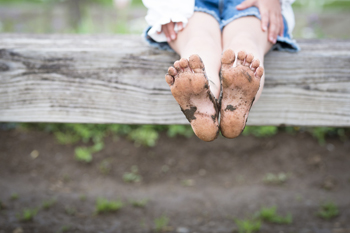
Barefoot walking offers many advantages for children, particularly in helping them develop essential skills for movement and coordination. By walking without shoes, children strengthen the muscles and tendons in their feet, which supports their ability to walk properly as they grow. The natural movement of the feet also promotes better alignment of the body, which can lead to improved posture. In addition to the physical benefits, barefoot walking supports brain and nervous system development. The soles of the feet are rich in sensory receptors that help send signals to the brain, enhancing sensory processing and motor function. This sensory feedback helps children improve their balance, coordination, and spatial awareness, contributing to cognitive development. If you would like to learn about additional benefits from having your child walk barefoot, it is suggested that you contact a podiatrist who can monitor your child’s foot health, and discuss whether this is a viable option for your lifestyle.
Making sure that your children maintain good foot health is very important as they grow. If you have any questions, contact William Beaton, DPM of Advanced Podiatry and Wound Care. Our doctor can provide the care you need to keep you pain-free and on your feet.
Keeping Children's Feet Healthy
Having healthy feet during childhood can help prevent medical problems later in life, namely in the back and legs. As children grow, their feet require different types of care. Here are some things to consider...
Although babies do not walk yet, it is still very important to take care of their feet.
Avoid putting tight shoes or socks on his or her feet.
Allow the baby to stretch and kick his or her feet to feel comfortable.
As a toddler, kids are now on the move and begin to develop differently. At this age, toddlers are getting a feel for walking, so don’t be alarmed if your toddler is unsteady or ‘walks funny’.
As your child gets older, it is important to teach them how to take care of their feet.
Show them proper hygiene to prevent infections such as fungus.
Be watchful for any pain or injury.
Have all injuries checked by a doctor as soon as possible.
Comfortable, protective shoes should always be worn, especially at play.
If you have any questions please feel free to contact our office located in St. Petersburg, FL . We offer the newest diagnostic and treatment technologies for all your foot and ankle needs.
